

Papa Johns Is Spying on Your Fridge to Know When You Can Be Influenced to Buy Pizza
Truly an unholy alliance here, between Papa Johns, Instacart and NBC Universal, to more effectively sell you impulse pizza.
Photo via Unsplash, Mariia Shalabaieva FoodSplinterTech pizza
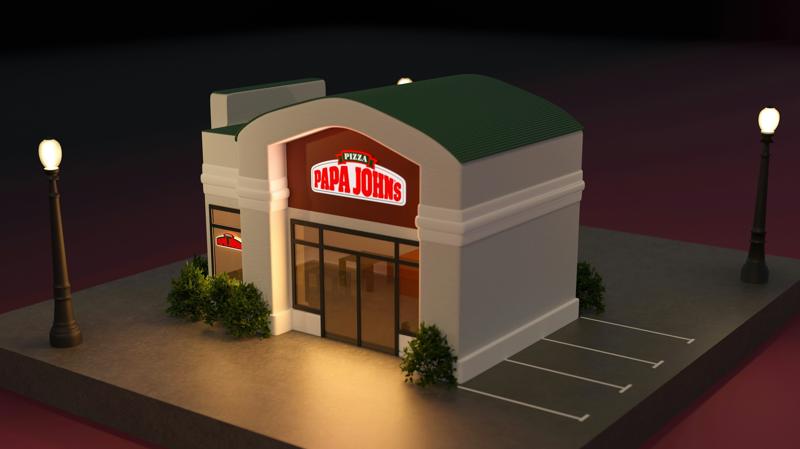
Modern commerce and marketing is a game of personal data and digital surveillance. The more a company or a brand knows about you, the more they can harness your tendencies, lifestyle and legitimate desires into securing your business by knowing exactly what kind of pitch to make to you, and when to make that pitch. It sure is convenient for the likes of Papa Johns pizzerias, then, that such data is easy to come by–you just need to have “partnerships” with the likes of Instacart and NBCUniversal, and the brand can not only keep a figurative eye on the contents and status of a family’s fridge, but determine when that fridge is probably looking sparse and choose exactly that moment to bombard you with pizza advertising during the show you’re streaming!
That’s according to a report in AdExchanger, which details a largely unreported initiative between the pizza brand, Instacart and NBCUniversal to keep a rather dystopian eye on your grocery buying habits in order to sell you the most possible pizza. The media agency also involved, Carat, described it as an effort to exploit hungry consumers by “knowing what is in their fridge without being too creepy.” Good luck on that, guys! I am struggling to imagine any level of knowledge Papa Johns could have about the interior of my fridge that I would not classify as “creepy.” Particularly given that, you know, I never knowingly gave the pizza company any permission to snoop on my nightly dinners, although I’m sure that’s probably in a 700-page end user agreement somewhere.
Here’s how the system—which was apparently trialed through April and May on NBCUniversal streaming platforms such as Peacock and NBC Sports—actually worked. Data on Instacart purchases of users was used to create custom audiences of target demographic shoppers who regularly bought common grocery store staples via the app. Patterns determined when those consumers were likely getting close to their next typical grocery run, aka “when the fridge was empty.” Those consumers were then served Papa Johns ads on streaming services like Peacock with QR codes for direct pizza orders, along with calls to action that specifically called out the knowledge obtained via Instacart, such as “Light on groceries?” or “Empty fridge?”
But it goes even deeper–not all consumers were even being served the same Papa Johns ads. Rather, they were personalized based on factors such as what those consumers were buying via Instacart: Those using it for meat were pitched ads featuring meaty pizzas, and vice versa with those who bought more Instacart produce. Papa Johns’ Chief Marketing Officer Jenna Bromberg described this to AdExchanger as pounding upon the moment when consumers are “low on groceries and running out of steam at the end of the week,” noting that one of the brand’s “key business challenges” is to be able to figure out how to take advantage of the brief window in which a consumer makes the decision to order pizza.
Papa Johns corporate: Collect our fucking trash boxes you stupid piece of shit
— Axel/Sunset θΔ (@axeltheaussie.bsky.social) 12:44 PM · Jun 14, 2026
Which, of course is something your brand would like to achieve. And you know, if Papa Johns dispatched a live-in human spy to crawl inside the walls of every American household and listen to conversations about dinner, and at the appropriate moment whispered subliminal commands to order pizza to the families within, that might also be an effective strategy … but it might run into issues of people finding it very creepy and invasive. The pizza brand partnering with NBCU and Instacart to be able to determine when I might be running out of food is perhaps slightly less bone-chilling than having a marketing ninja hidden in my walls, but not by enough. The whole AdExchanger piece, in fact, is unsettling to read for the way it blithely sprints past any questions of privacy and exploited user data, mentioning the word “creepy” once without actually engaging with it in the slightest.
As for the actual Papa Johns brand itself, it has mostly been treading water as of late, with sales holding steady/relatively flat worldwide in 2025, which is still a good deal better than the likes of its onetime biggest competitor Pizza Hut, which has been in freefall, just sold off and broken into two pieces by its former parent company. That said, it hasn’t stopped Papa Johns from slashing anyway, as it will reportedly be closing 300 “underperforming” restaurant locations across the U.S. by the end of 2027, leaving roughly 3,200 U.S. locations remaining. Perhaps they’re just trying to get things in the most profitable shape for a potential takeover by a Qatari-backed private capital firm that is currently trying to acquire the entire brand for $1.5 billion or more?
What will eventually be looked at as the superior Papa Johns era, one wonders? Will it be back when founder John Schnatter, accused of fostering an abusive company culture full of sexual assault allegations, was dropping the n-word during conference calls? Or will it be the shiny new Papa Johns of the future, where partnerships with every other app in your phone allow the company to calculate the exact moment that they might be able to most effectively break your latest health initiative? Hell, now that the company’s infamous Garlic Dipping Sauce is available in grocery stores without needing to buy a pizza, perhaps Papa Johns as a concept is no longer even necessary?
 Keep scrolling for more great stories.