

Arizona Is the Roadmap to How the Trump Admin Is Gutting SNAP, Leaving People Hungry
In Arizona, panhandlers have been asked to provide proof of their income to receive SNAP benefits.
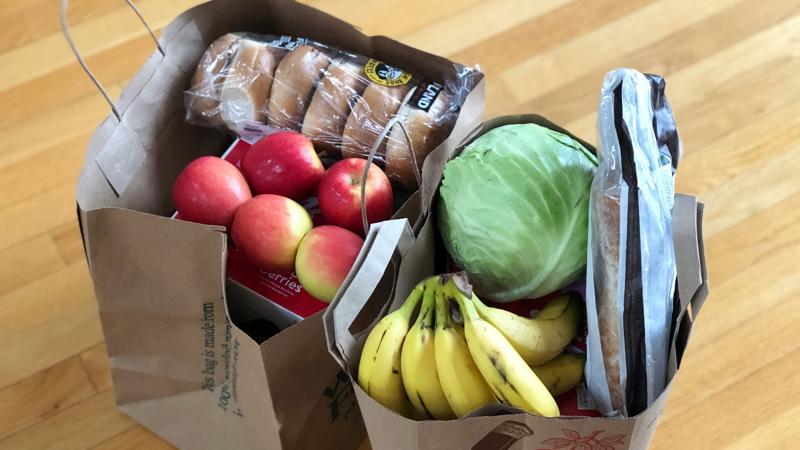
Photo via Unsplash, Maria Lin Kim Splinter Snap
In the span of a single year, the state of Arizona has seen a nearly 50% reduction in the number of households that are receiving SNAP (Supplemental Nutrition Assistance Program) assistance, the federal program also known colloquially as food stamps. And here’s a shocker: It’s actually not because those hundreds of thousands of households are suddenly financially secure and no longer in need of help, hard as that might be to believe. A new investigation from The New York Times details how the state is serving as a bright red warning for how the Trump administration’s punitive upcoming measures against “fraud” and “waste” in the SNAP program are no doubt intended to gut its effectiveness by intimidating states into squeezing vulnerable families out of enrollment. The end result can be nothing other than hundreds of thousands of people in Arizona, and millions upon millions nationally, fighting through catastrophic malnutrition and crippling hunger.
The root of the sudden, precipitous decline in SNAP enrollment in Arizona is the federal overhaul–sorry, wanton slashing–of the program that was contained within Donald Trump’s “One Big Beautiful Bill,” which from top to bottom made the deepest cuts in SNAP history. Crucially, the OBBB puts the impetus of “fraud” prevention on the states receiving federal aid, but it also penalizes them for mistakes of any kind. This is quantified with metrics such as “error rates,” which are the percentage of incorrect benefits paid to recipients. These error rates are typically created by legitimate errors by caseworkers or families rather than intentional fraud, but the OBBB established that beginning in 2027, the government would begin harshly penalizing states for error rates by making those states pay an additional percentage of benefit costs–and it will base those new penalties on the error rates from 2025 and 2026, meaning the states are already scrambling now to fix every possible mistake, because they could be hit with massive new bills next year. This sudden increase in cost to the states, meanwhile, could immediately bankrupt the SNAP programs on a state level. Likewise, the OBBB also did other things like expand the work rules states must verify in applicants, eliminated educational programs, and slashed the share the federal government pays of administrative expenses.
Almost a year after Trump’s domestic policy bill passed, at least 770,000 children are no longer receiving SNAP benefits.
In Arizona, the number of children receiving SNAP has dropped by more than 200,000 since July 2025 — a 55% decline.
— ProPublica (@propublica.org) 8:52 PM · Jul 17, 2026
In Arizona, where more than 440,000 residents have been dropped from SNAP since last year, many of those people remain technically eligible for assistance, as the law is written. But most of them are finding it utterly impossible to navigate the labyrinthian new requirements and impenetrable bureaucracy, describing scenarios where they place 100 phone calls to the program without being able to reach a single SNAP caseworker. Said bureaucracy has been slashed drastically and is now entirely overwhelmed, coming apart at the seams–one person caring for six children describes receiving a letter from the state in April that contained a March deadline for her to prove that her boyfriend had found new employment. By that point, she had already been stripped of benefits. She ended up finding work in a friend’s restaurant in exchange for food for her family instead of pay.
The problems in Arizona form a very clear vicious cycle: Greatly expanded requirements and documentation are necessary to receive SNAP benefits, while the organization was also forced to widely cut its staff thanks to the federal cuts to administrative assistance and grants, so there are fewer actual people to review and process all that new paperwork that is required. It has had the obvious effect of slowing everything down to a crawl, as the state attempts to make as few mistakes as possible … because they’re going to be penalized by the government for every mistake in 2027, as will SNAP programs in other states as well.
As for the new information that is being demanded of residents, it ranges from the onerous to the patently absurd. Where, for instance, a resident could previously simply inform the state government which people were part of a household, they are now expected to get physically signed letters and statements from neighbors or friends to testify to who resides in a household. Caseworkers previously gathered data from applicants over the phone; now they require physical documents in their hands. The single most absurd scenario: Homeless individuals making it through the day as panhandlers have been asked in some cases to provide records of the donations they receive, as if they can ask a person tossing a quarter into their lap for a receipt. Eventually, the state settled for their “best-guess estimates” of panhandling income. As Connor Erickson, the manager of a Phoenix area SNAP office put it: “We had to make them go through these hurdles. Yes, it’s ridiculous.”
Republicans on the state level in Arizona have naturally trumpeted the decrease in SNAP enrollment as a good thing; some combination of people pulling themselves up by their bootstraps even though inflation is again surging and wages are stagnant, or cases of fraud being rooted out. State Senate majority leader John Kavanagh was perfectly happy to attribute a 50% decrease in a single year to being “caused by the fact that we had massive fraud,” because obviously such a sweeping change couldn’t have had any reasons driving it on a bureaucratic or logistical level–they’d prefer you to think that literally half of everyone in the entire state receiving SNAP was a fraudster. It doesn’t matter in their eyes that the people running SNAP on the state level testify that the drop-off has been caused by “really burdensome” paperwork and staffing shortages, along with loss of funding. All that matters is cutting a bit out of the federal budget so that deeper tax cuts can be given by Donald Trump to the already disgustingly wealthy.
It’s been a year since Donald Trump slashed SNAP funding in his “Big Beautiful Bill.”
Here’s how many people have lost food assistance so far.
— Elizabeth Warren (@warren.senate.gov) 4:51 PM · Jul 20, 2026
No other single state’s SNAP program has been devastated to the same level as Arizona, with national enrollments having fallen about 10% in the last year, and the other highest single states (Louisiana and Florida) in the 20% range, which is still huge. But with the federal penalties for errors looming on the horizon, it’s entirely likely that more of the state programs will respond through the rest of 2026 by being forced to do things like cut staff, sending their own enrollments and quality of service plummeting. Arizona could be the canary in the coal mine for SNAP, a precursor to the entire program being so devastated on a national level that there’s no coming back. That’s certainly what Elaine Waxman of D.C. think tank The Urban Institute believes. As she told NYT: “The magnitude in Arizona may be greater, but a similar pattern is already unfolding in other states. It’s likely to accelerate as the penalties draw nearer.”
Lest we forget, nearly every one of those 440,000 Arizonans represents a full household of people scraping to get by, sometimes going to bed hungry. One of them is a woman named Dee McDonald, a 65-year-old retired grandmother raising three grandsons on Social Security and, previously, a $700 monthly SNAP benefit that represented a full third of her income. That aid was cut off in November. Hundreds of phone calls later, she has receiving no assistance, but in February–four months after losing SNAP–she finally learned that she had lost it because of an error in an income statement. She’s currently four more months into an appeal. McDonald weighs 69 pounds. She spends most of her day wondering how she’ll next feed her grandkids.
“I go to sleep thinking about we are we going to have,” she said. “I’m exhausted.”
 Keep scrolling for more great stories.