

Minnesota Is Seeking Prosecution Against ICE Agents and Gregory Bovino
That's in addition to separate, ongoing investigations into the deaths of Renee Good and Alex Pretti. All may be destined for courtrooms.
Screenshot, Border Patrol Splinter ICE
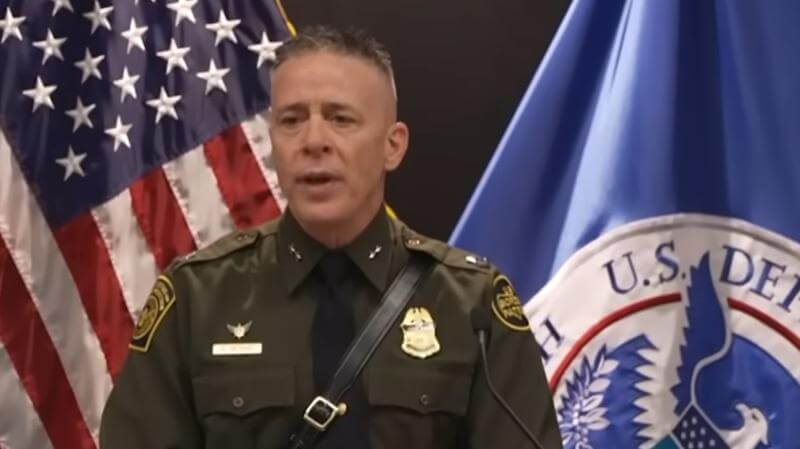
First things first: The state of Minnesota has continued its individual, independent investigations into the shooting deaths of both Renee Good and Alex Pretti since the two Minneapolis residents were slain by federal immigration agents of ICE and Border Patrol in January. Those investigations have been stymied to some degree—as ICE absolutely intended—by the refusal of the federal agency to both give local investigators immediate access to the crime scene, and share the evidence that ICE collected. Minnesota is now preparing to sue the federal government for access to that evidence, with a deadline set for today. But with all that said, it’s not just the high-profile killings of Good and Pretti that are being investigated in Minnesota, with Hennepin County Attorney Mary Moriarty announcing a much wider series of investigations on Monday that are targeting misconduct by ICE agents from throughout “Operation Metro Surge.” That would include some of the grandstanding incidents perpetrated by Nazi cosplay enthusiast and former Border Patrol “Commander at Large” Greg Bovino, the man who seemingly proved that it is possible to be too visibly a Nazi for the Trump administration.
Greg Bovino and other federal agents are being investigated for their actions during Operation Metro Surge.
Hennepin County Attorney Mary Moriarty says her office is already investigating 17 incidents involving potential unlawful conduct by federal agents.
— Kyle Griffin (@kylegriffin1.bsky.social) Mar 2, 2026 at 6:05 PM
Speaking to media on Monday, Moriarty said her office was in the midst of investigations of “potentially unlawful behavior” on the part of federal immigration agents in Hennepin County (which includes Minneapolis) during the Minnesota crackdown. She also said her office had created an online portal for residents to use in order to send in collected videos and photos of incidents they witnessed in which they believe federal agents committed crimes. There will no doubt be plenty of Minnesotans ready to submit stories of their experiences being brutalized and detained by overzealous federal agents.
“We will investigate and pursue charging where appropriate, and we’ll seek collaboration with local law enforcement wherever and whenever needed,” Moriarty said. “Make no mistake, we are not afraid of any legal fight.”
It would be understandable if they were, because states bringing prosecution against federal agents is both complex and very difficult, thanks to the robust array of protection they have been granted. Federal agents, for instance, possess absolute immunity from civil lawsuits in federal court. When it comes to state criminal law, there are more openings—but thanks to the Supremacy Clause, agents are still presumed to be immune if they’re acting within the scope of their federal authority and reasonably believe their actions are “necessary” to perform their job. This makes the task of prosecuting a federal agent for a state criminal offense a task where one must prove that the federal agent was knowingly acting outside the bounds of their duties, a tough bar to clear … but apparently one that Moriarty still feels is worth taking on. She made her thoughts on this matter plenty clear, saying the following: “There is no absolute immunity for federal agents.”
The Department of Homeland Security (DHS), meanwhile, predictably responded with something akin to “nuh uh, they’re totally immune so don’t even bother.” In a Monday night rebuttal of Minnesota’s announcement of investigations, a typically combative DHS statement said the following: “What these States are trying to do is unlawful, and they know it. Federal officials acting in the course of their duties are immune from liability under state law.”
This morning, our office announced the creation of the Transparency and Accountability Project (TAP) in the wake of Operation Metro Surge to collect and assess evidence submitted by the public of potentially unlawful behavior by federal agents.
forms.office.com/pages/respon…
— Hennepin County Attorney Mary Moriarty (@hennepinatty.bsky.social) Mar 2, 2026 at 3:32 PM
As for the actual incidents with federal agents that are being investigated, Moriarty referenced a few in particular, including one caught on video in which Bovino can be seen throwing a smoke cannister directly at protestors on January 21. In another incident under investigation, multiple federal agents were involved in making an arrest at a high school, where they reportedly deployed chemical irritants while groups of students and staff were present. Frankly, if this is the kind of bar that could actually bring charges, then every single state that has seen this kind of immigration surge would surely be able to find numerous similar incidents in which they could also charge federal agents. The question isn’t whether agents have been involved in this sort of violent conduct, but whether they can possibly be made accountable for accusations such as assault and property damage.
“These would be situations where the state has to determine: Is there evidence that agents acted unlawfully and outside the scope of their authorized duties?” said Rachel Moran, a professor of criminal law and policing at University of St. Thomas School of Law in Minneapolis. “I think agents did illegal things here. I watched it.”
We all watched it, collectively. Now is the time to get justice for it.
 Keep scrolling for more great stories.