

There Are Several Good Options for the Next Maine Senator Besides the Two Current Nominees
Neither Graham Platner nor Susan Collins should represent Maine.
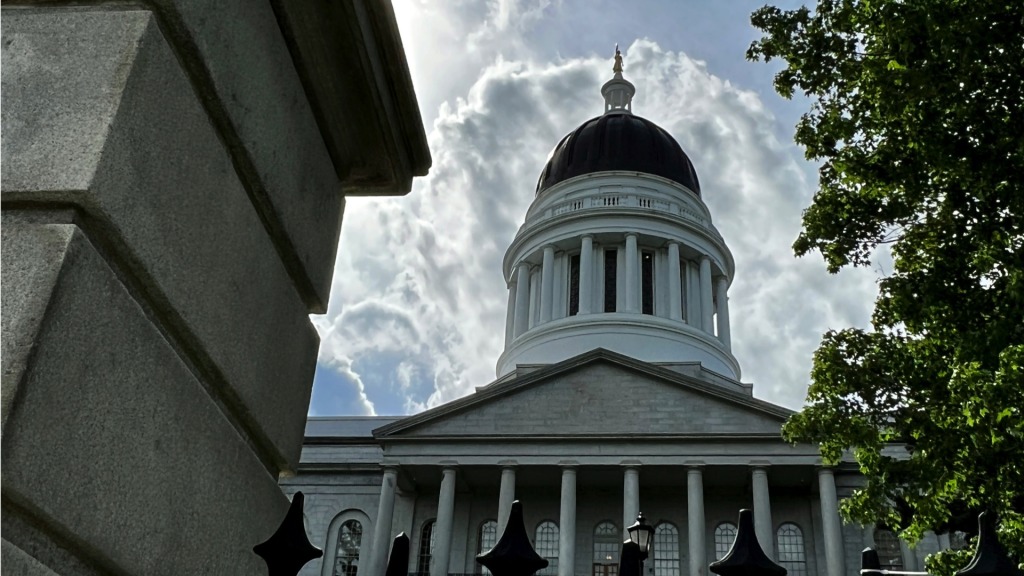
Photo by Brad Weaver on Unsplash Politics Graham Platner
They say, “don’t meet your heroes because they’ll disappoint you,” but the truth is that if you do encounter that celebrity or politician you hold in high esteem, they’ll probably be charming. Politicians especially are good at that—it’s a big part of the job description. The more helpful warning is not to make them your heroes in the first place.
Progressive Mainers are learning that lesson right now after being energized by the charisma and populist rhetoric of Graham Platner, an oyster farmer and Marine Corps veteran whose platform of affordable housing, universal healthcare and fighting against the oligarchy resonated with voters and carried him past governor Janet Mills in the Democratic primary for the U.S. Senate. The message and coalition he built caused both ordinary citizens and political veterans like Bernie Sanders and Elizabeth Warren to ignore growing red flags and rally around his campaign.
Having been burned before, we asked back in October of last year, “Why would you run for Senate before knowing you have a Nazi tattoo?” As Jacob Weindling wrote then, “Prior to 24 hours ago, I would have written a hearty endorsement of the former Marine running an unapologetic ‘progressive populist’ campaign. His positions are good. But so were many of John Fetterman’s and look where that got us. He’s now the most reliable right-wing Democratic vote in the Senate. … It’s on Platner now to explain to the rest of us why we shouldn’t see the ghost of John Fetterman every time we look at him.”
If I lived in Maine and the tattoo and some idiotic Reddit comments were his biggest scandals, I still would have gladly cast a ballot for him against the more centrist Janet Mills. But the credible accusations of sexual misconduct and even rape should and likely will end his candidacy this week. And the Democratic party will need to scramble for a replacement. This is not the ideal way to finally end Susan Collins’s 30-year run in the Senate, but it’s the only path forward. So let’s look at some options that would be better than the two currently on the ballot.
Troy Jackson
The logger from Allagash, Maine, served as state Senate President for six years and was Platner’s preferred candidate for Governor. And while it might seem odd to elevate someone who just lost his primary, Jackson checks the two most important boxes: he can speak to the same issues that energized Platner’s coalition and he’s been fully vetted over the years. While he began his political career as a social conservative on issues of abortion and gay rights, he’s evolved on both, scoring 100% on scorecards from Equality Maine and Planned Parenthood. He also sponsored An Act to Improve Maine’s Reproductive Privacy Laws, which put “the decisions on abortions later in pregnancy in the hands of patients and providers.”
He also polls well against Collins according to a flash poll released by the Platner campaign to Politico today, coming out on top 49 to 44 percent, the best of any potential Democratic candidate polled. Mills, by comparison, trailed Collins by nine points. Jackson seems like the best and most obvious replacement.
Nirav Shah
Another failed gubernatorial candidate, former acting CDC director Nirav Shah actually won the first round of voting in Maine’s ranked choice system, eventually falling to former Maine house speaker Hannah Pingree. The Senate just lost one of its four doctors (all Republicans) with Sen. Bill Cassidy losing his primary after challenging the president, and it could certainly use a Democratic one.
A more pragmatic, mainstream candidate, Shah is more technocrat than ideological firebrand—he has backgrounds in epidemiology, economics and law—so he might have trouble firing up the crowds that come to Platner rallies. He was tied with Collins in the flash poll.
Shenna Bellows
Maine’s first female secretary of state Shenna Bellows already lost to Collins in a Senate race—by 36 points—but Maine was different back in 2014. She also came in fourth in the recent gubernatorial primary behind Pingree, Shah and Jackson. The former executive director of the Maine ACLU and AmeriCorps/Peace Corps volunteer worked to legalize same-sex marriage in Maine, protect women’s rights and oppose the Patriot Act. She also famously barred Trump from the Maine primary ballot after the January 6 attacks, a ruling overturned by the Maine Superior Court. Like Shah, she was tied with Collins in the flash poll.
Jordan Wood
Jordan Wood served as chief of staff to Rep. Katie Porter, so we know he can handle, er, pressure. A progressive more in the mold of Platner, Wood is a proponent of Medicare for All and is focused on fighting corruption and abuses of power. He came in third in the recent congressional primary to replace Rep. Jared Golden. Since that was a federal campaign, he could transfer what’s left of the millions he raised into a Senate run, unlike the candidates for Governor.
Dan Kleban
Look, I love the Maine Beer Company, which Dan Kleban co-founded with his brother. I’ll never forget identifying a beer from the brewery in one of Paste’s blind tastings, not even knowing it was on the table. They make great beer (try their Lunch IPA) and reportedly treat their workers well. He’s already thrown his hat in the ring to replace Platner via his brewing-analogy-filled Substack. But I would caution the party in choosing a political novice who hasn’t endured a full primary season.
The Democratic Party in Maine hasn’t yet determined how it will pick a candidate—whether through local caucuses or a party convention. The deadline for Platner to drop out is July 13, and the deadline to replace him on the ballot is July 27. While party officials have insisted that Platner will not be involved in choosing a successor, his endorsement is likely to hold sway with at least some Democratic voters. A campaign spokesman told CBS News, “Over 150,000 Mainers voted for this movement, and over 15,000 Mainers volunteered their time and energy to it. While Graham wouldn’t want to be a part of the process, he would want to make sure the voters and volunteers make this decision—not the political establishment.”
 Keep scrolling for more great stories.