

Science Has Figured Out How to Give You a Bonus Liver
The small, injectable "satellite liver" would produce enzymes and proteins for those waiting for a transplant.
Photo via Unsplash, julien Tromeur Splinter Medicine
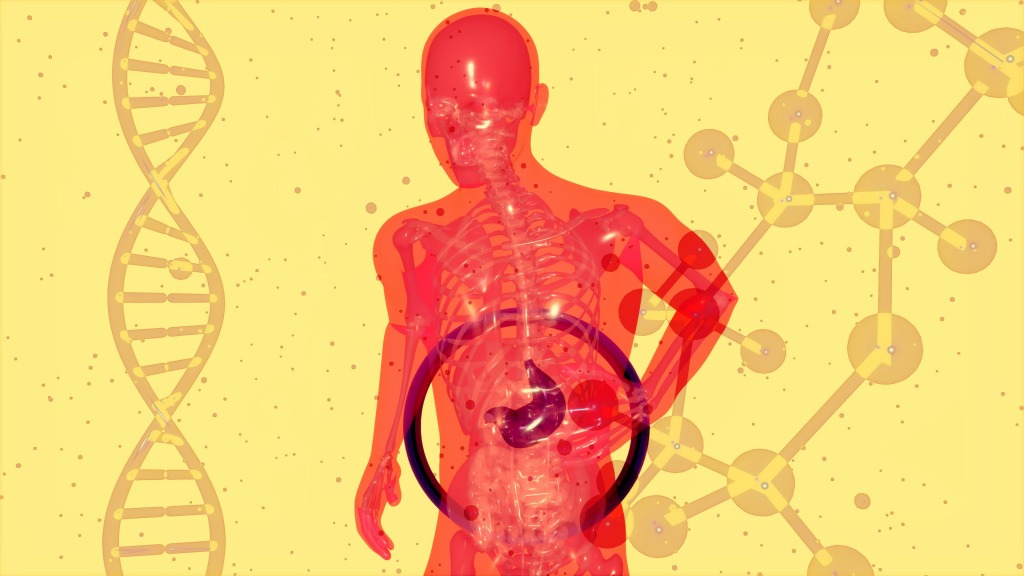
According to Johns Hopkins Medicine, more than 17,500 patients are living on the waiting list at any given time for a liver transplant. Unfortunately, there aren’t enough of the available, donated organs to go around, leading to a critical and frequently deadly backlog. Roughly 10% of the patients on that waiting list die each year while waiting for the prospect of a new organ, but the results of a new study are potentially encouraging: If not enough livers are available, then a bundle of cells that replicate the organ’s function might be able to take some of the burden instead. And the method wouldn’t even require surgery, at least in theory–the cells are merely injected into the body, which is about the least invasive way imaginable for a patient to potentially receive a new lease on life.
The liver is one of the body’s most crucial and frankly incredible organs, playing roughly 500 essential roles that are known to medical science, and probably more that we still don’t understand. Among other things, it regulates functions like blood clotting and blood purification, and helps to break down and metabolize medication. It is unique in its ability to regenerate and heal itself, which is crucial considering the trials we put it through with liquor, sugar and fat-heavy American diets–even more fatty now, if you’re following MAHA’s new dietary guidelines. The liver can even heal and fully regenerate from a partial transplant from a living donor, who can give up as much as 75% of their entire organ, only to have it grow back. For those with liver disease (such as hepatitis or cirrhosis), however, the ability of the organ’s special cells (hepatocytes) do do their normal functions or regenerate is impaired. That’s where this new technique potentially comes in.
Injectable “satellite livers” could offer an alternative to liver transplantation news.mit.edu/2026/injecta…
The engineered tissue grafts could take on the liver’s function and help thousands of people with liver failure.— The Starship Entity✨2026 (@thestarshipentity.bsky.social) Mar 4, 2026 at 2:32 AM
MIT engineers have developed what they term “mini livers” or “satellite livers,” which when injected into the body can take over or at least support the functions of the organ for a person who is either dealing with liver disease or on the long wait of the transplant list. A new study published this week by MIT’s team in the journal Cell Biomaterials details how in trials with mice, the injectable livers proved to be functional and viable through the entire two months that were studied, potentially signifying that they could be semi-permanent additions to human bodies that could postpone or even eliminate the need for surgery. These satellite organs are made of hepatocytes just like the patient’s own liver, and are supported by the patient’s circulatory system while producing the same proteins and enzymes that a healthy liver would produce.
“We think of these as satellite livers,” said Sangeeta Bhatia, the senior author of the study at MIT. “If we could deliver these cells into the body, while leaving the sick organ in place, that would provide booster function.”
The particularly novel approach here is how the hepatocyte cells are delivered into the body without need for surgery. Injection of hepatocyte cells was always possible, but on their own those cells would likely disperse and die off afterward. The breakthrough was integrating the hepatocytes by “providing an engineered niche” that could improve their ability to survive and integrate with the body, in the form of “hydrogel microspheres of uniform shape and size.” This heady concept is basically tiny artificial spheres that function like a liquid when packed together, allowing them to be injected, but then provide structure and support for the hepatocytes once inside the body. You’re left with what is basically a miniature liver, albeit one that doesn’t physically need to be anywhere near the site of your actual liver. They just need a source of blood flow to provide nutrition, and (at least in the mice studies) immediately took over providing the necessary organ function.
“The new blood vessels formed right next to the hepatocytes, which is why they were able to survive,” said MIT postdoc Vardham Kumar, the paper’s lead author. “They were able to get the nutrients delivered right to them, they were able to function the way they’re supposed to, and they produced the proteins that we expect them to.”
There are, obviously, more steps to come, from considering the human immune response and the possible need for immune system-suppressing drugs, to eventual clinical trials. One wonders, of course, about what such a marvel will cost, at a time when you’ve never been more likely to get cancer or be bankrupted by cancer. But all the same, you can’t help but sit back for at least a moment to marvel at the ingenuity of both medical science, and the endless adaptability of our own bodies.
Of course, RFK Jr. is probably just looking at this study and wondering if it can produce more liver he can eat, but hopefully he’ll leave the real medical science to the adults.
 Keep scrolling for more great stories.